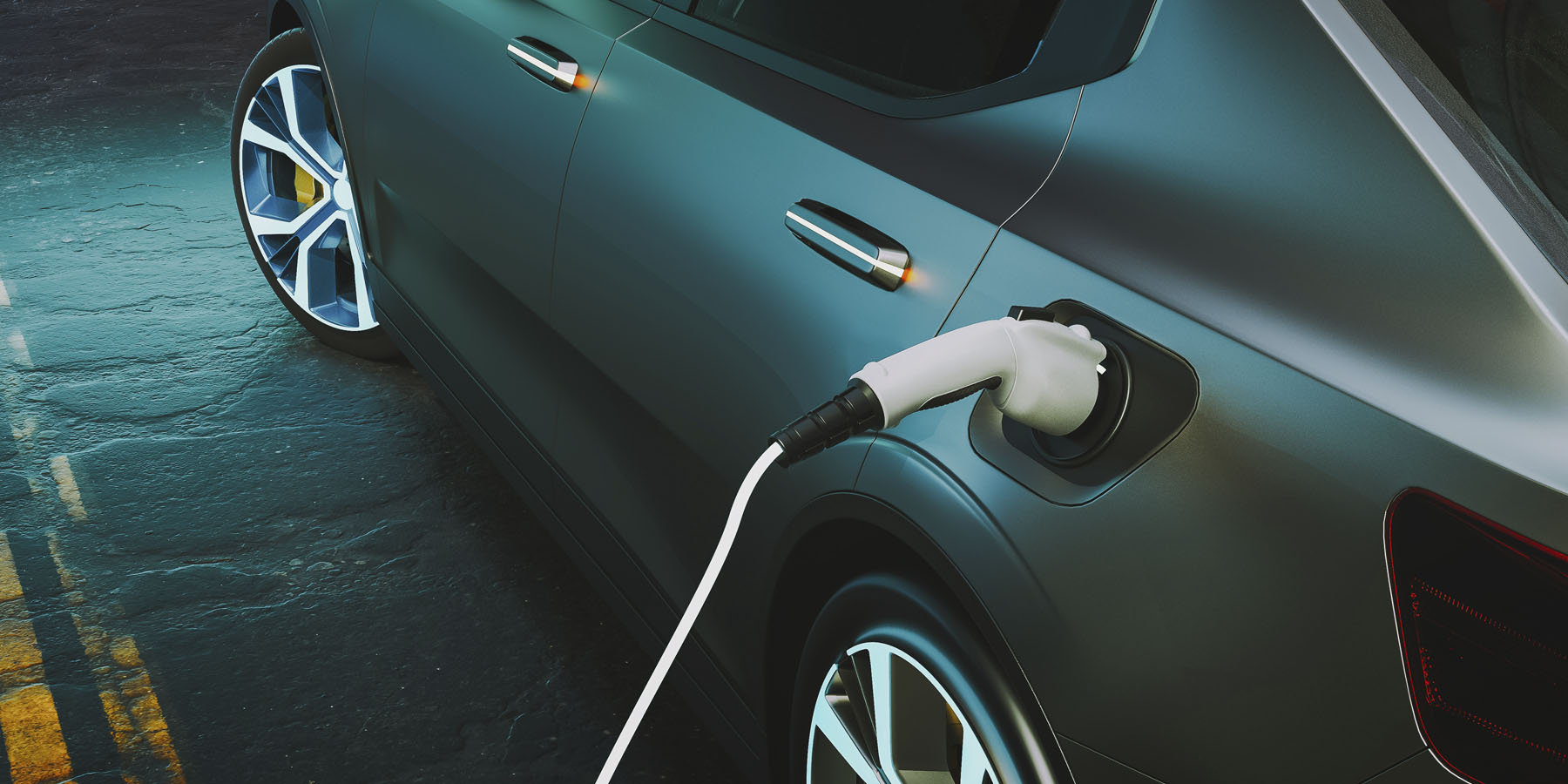
A smart and future-proof electric car charging solution
The most important thing in electric car charging systems is to look far enough into the future. That is why we almost invariably prefer full-power charging stations that meet the needs of both today and tomorrow. Although, for example, hybrid cars can be charged with lower power, the number of electric cars is growing rapidly and charging needs are changing.
In everyday life, charging is often done with a low power of around 1.8 kW, but in situations where fast charging is needed, the need is often critical. Fast chargers are not always available, and a slow charging station cannot be made faster afterwards. A powerful charging station, on the other hand, can always be adjusted to a slower speed and optimized according to the destination's electricity grid. This makes a full-power solution the most sensible and cost-effective option in the long term.
Load management is the foundation of electric vehicle charging
Charging an electric car consumes a significant amount of electricity, and most building electrical systems are not designed to support multiple charging stations at the same time. For this reason, load management and load sharing are one of the most important considerations when designing a charging system.
Over 50% of single-family homes and up to 80% of corporate and housing company charging solutions require some form of load management. Properly implemented load management enables charging without increasing the main fuses and prevents overload situations.
We offer the most comprehensive range of load management solutions on the market:
-
SaaS-based cloud services (Software as a Service)
-
Local, measurement-based systems
-
Simple, device-specific solutions with no monthly fees
Load management solutions are always designed on a case-by-case basis, and the choice of charging equipment is also based on the needs of the site. We have chosen our equipment suppliers – Alfen, Keba, Garo, Wallbox, Sungrow and Wolttinen – so that we can offer the best possible solution for each environment.
Utilizing solar energy as part of a charging system
Load management can also be used to optimize the use of solar energy. When solar power is available, charging can be directed to utilize its own production as efficiently as possible. This reduces energy costs and improves the ecological compatibility of the charging system.
Static and dynamic load distribution
Load sharing can be implemented in several different ways:
-
Static load distribution
The charging system is set to a predefined maximum power that is not exceeded. The solution is simple and suitable for locations where electricity consumption is constant.
-
Dynamic load sharing
The charging power is adjusted in real time according to the property's other electricity consumption. This allows for maximum charging power without the risk of overload.
In addition, the load can be managed on a phase-by-phase basis. Since a large proportion of users currently charge hybrid cars, proper phase distribution and load management ensure efficient and balanced use of the electrical system.